Acknowledge the Grief

fb.watch/9ZxKxsZA3n/

Acknowledge the loss, even when it feels awkward.

Because we’re so uncomfortable about grief some people decide to say nothing. It makes us so uncomfortable to be around somebody else’s pain that folks will literally cross the street to avoid feeling awkward.

Saying nothing is a terrible thing to do to your grieving person. It makes them feel like no one cares or remembers. It makes them feel invisible. So not only have they lost their person, they’ve also lost their people. ⁣

How about you? Have you had people refuse to acknowledge your loss or even go out of their way to avoid you entirely?⁣

This video is a clip from the documentary SPEAKING GRIEF, now available to watch at speakinggrief.org. ⁣

Talking about grief important, but it isn’t always easy. Get those conversations started by tagging a friend in the comments who you think would be interested in watching the documentary too.⁣

#SpeakingGrief was produced by @WPSUgrief and is being distributed by APT. It’s still airing on public television stations across the U.S. Visit speakinggrief.org to watch the documentary online.⁣

Surrendering To Grief

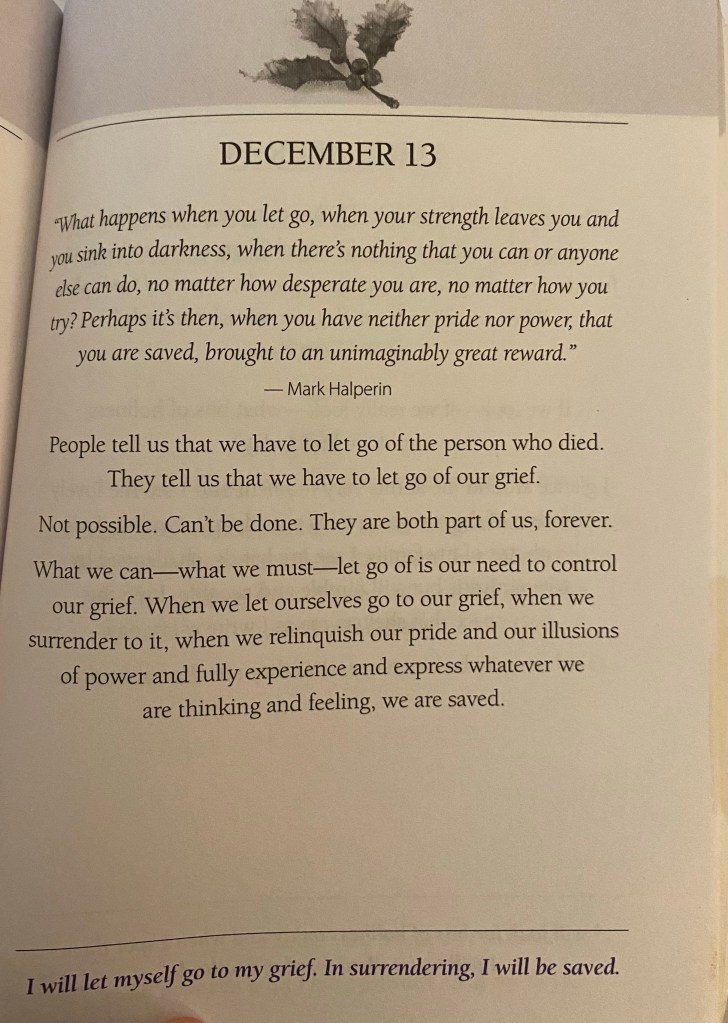
I blog about this often. I believe the only way to truly heal our broken hearts after the death of a loved one is to allow ourselves to grieve; to mourn. Don’t let others tell you to move on; let your grief go. That might make others less uncomfortable but it will not provide you with the time and space that you need to heal your heart, mind, body, and soul.

Sadness Is A Natural Response To Death

The trick is to lean into your helplessness in the face of your friend’s pain. Your job, honestly, is to feel awkward and stay there anyway. Just hang right out with their pain.⁣

www.facebook.com/493863364032774/posts/4602311039854632/

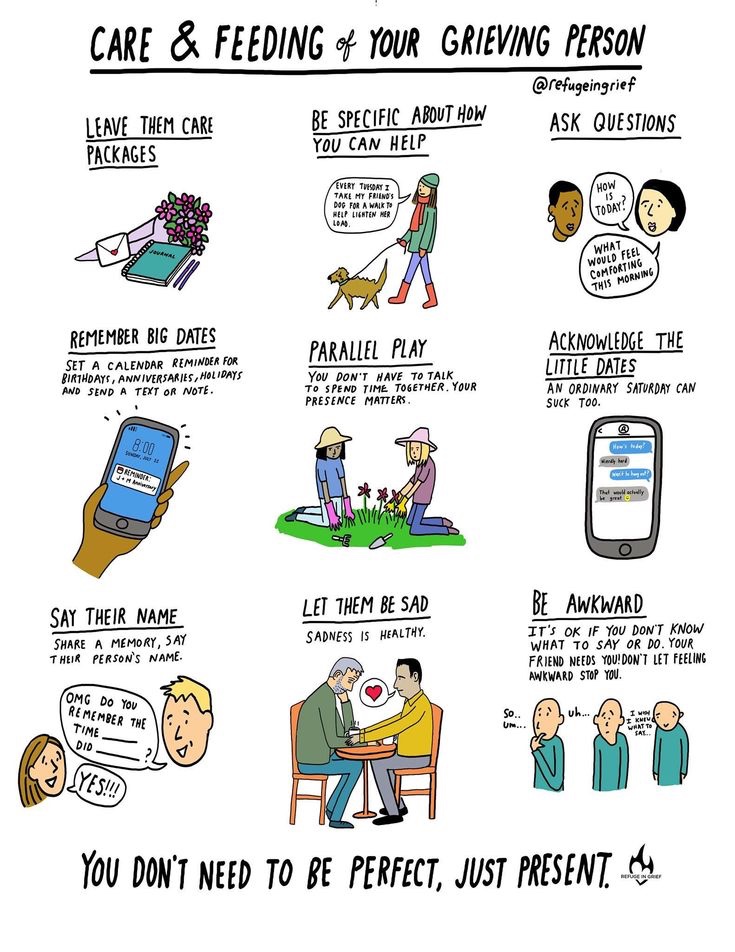
Want to help a grieving friend? Let them be sad.

Sadness is a natural response to loss, hardship, and death. It just is.

And it’s hard to know what to do when your friends are hurting. It sucks to see someone you love in pain. The thing is, you can’t cheer someone up by telling them to look on the bright side, or by giving them advice. It just doesn’t work.⁣

The trick is to lean into your helplessness in the face of your friend’s pain. Your job, honestly, is to feel awkward and stay there anyway. Just hang right out with their pain.⁣

When things are dark, it’s OK to be dark. Really. Not every corner needs the bright light of encouragement. In a similar vein, don’t encourage someone to have gratitude for good things that happened to them in the past or for good things that still exist.

Example: We recently we saw a person respond to someone’s expression of sadness by telling them to shove down all the “bad feelings” and think about the good things they still have in their life.

NO!

First of all, just say no to unsolicited advice. When someone talks to you about how hard this is, notice your impulse to jump in with a solution, and then DON’T DO IT. Most of the time people are simply looking for acknowledgment about how awful this situation is.

Second, good things and horrible things occupy the same space; they don’t cancel each other out.⁣ Sadness is healthy. Telling someone to look on the bright side or appreciate what they still have just tells them you’re not someone they can talk with about their pain.

Instead, mirror their reality back to them. When they say, “This sucks,” say, “Yes, it does.” It may seem too simple, but it’s amazing how much that simple acknowledgement helps.⁣ It is an unfathomable relief to have a friend who does not try to dismiss or take the pain away.

To learn more about how to be the supportive friend you most want to be, visit this link: refugeingrief.com/helper-overview/

Grief Shows Up…

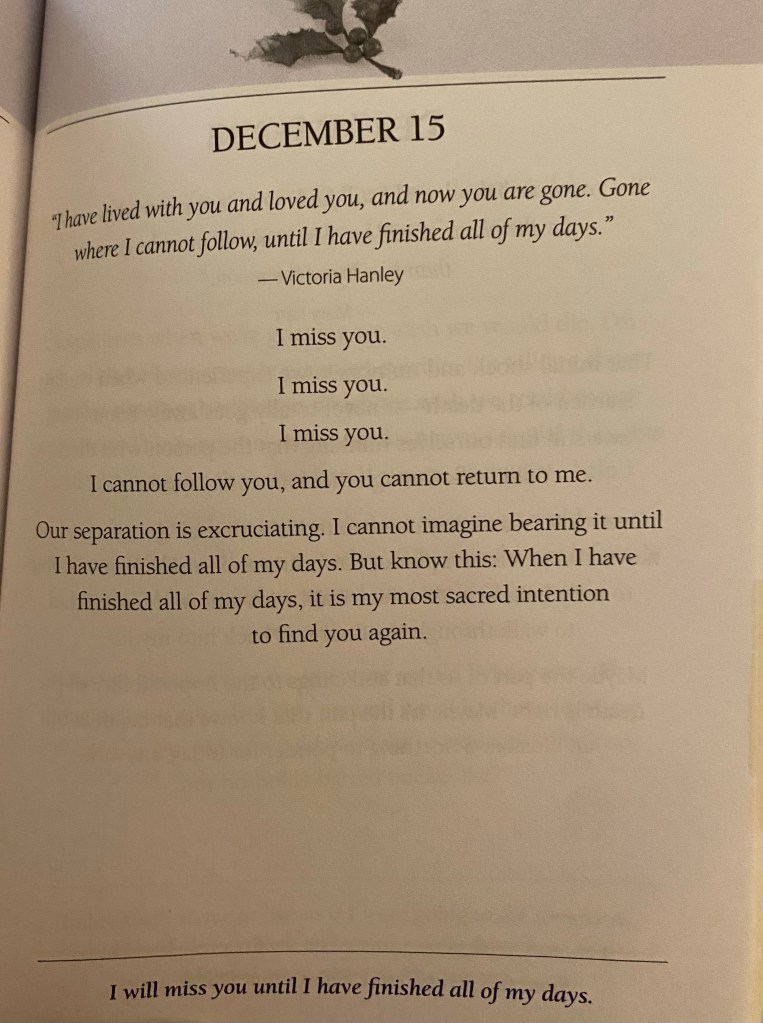
Grief doesn’t just show up the day they die

Grief shows up on a random Monday night

Grief shows up in aisle five at the grocery store

Grief shows up when they’re favorite song comes on the radio

Grief shows up at the dining room table

Grief shows up at your graduation and wedding

Grief shows up in the delivery room when they aren’t by your side or in the pictures

Grief shows up on those sleepless nights

Grief shows up when the phone rings and it isn’t them

Grief shows up when you go to dial their number and realize they’ll never answer again

Grief shows up time and time again always unexpected and never invited

Grief doesn’t just show up the day they die

What would your loved ones say?

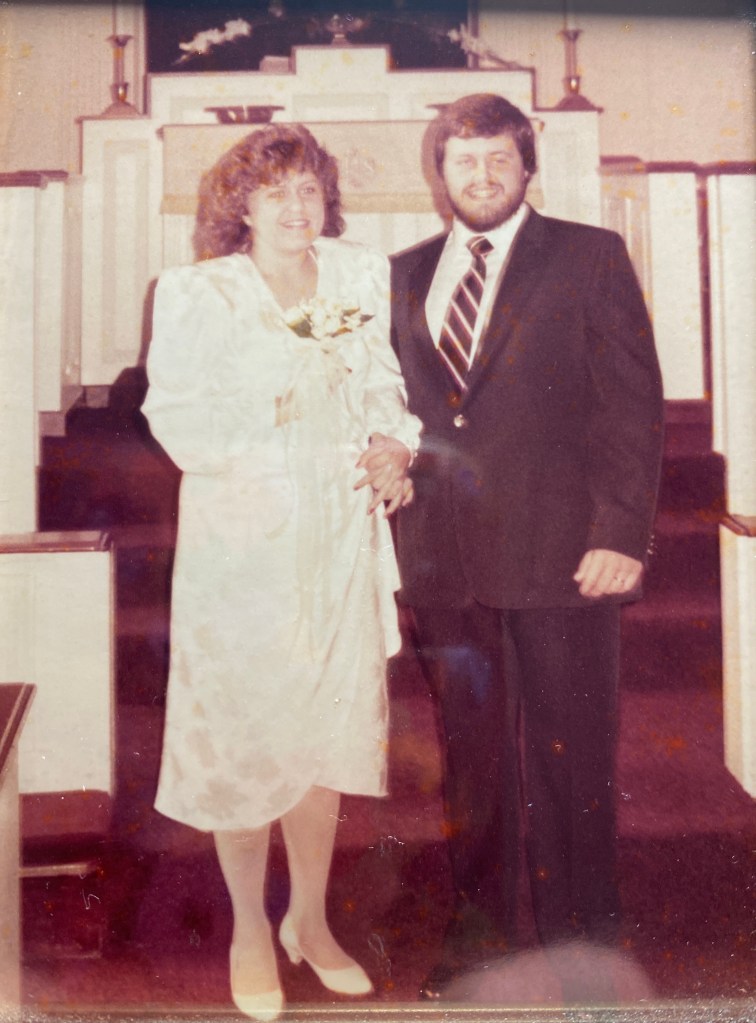
I often think of what Richard would say or think about things in my day to day life. I feel pretty sure I know the answer most of the time. We were very in tune to each other’s thoughts. I think that happens after years of being together.

I believe he would say: I’m proud of you Gin (pronounced Jean). He would tell me to keep doing my best to take care of myself. He would want me to be present in our girls’ lives.

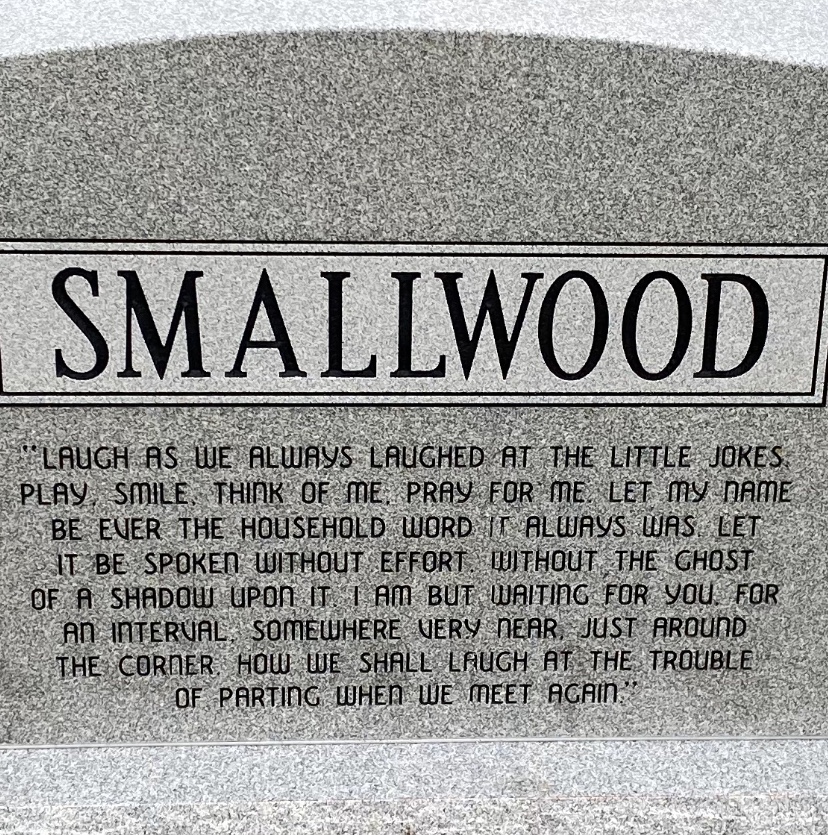
What do I say to him? I tell him about my day. I talk to him about our girls. Sometimes when I visit his grave, I read whatever I’m reading at the time to him.

In one of my groups last year, we wrote letters to our person who had died. I had been doing this for awoke. Then our assignment was to write back from their perspective. It may sound a little crazy but it helped me so much. The first thing I felt he said to me was – “it’s about time you met me get a word in edge-wise 😂.” If I need to process something or just “hear” Richard, I will still do this from time to time.

What do you think your loved one would say to you? How do you continue to communicate with them?

I hope you can find ways to continue to communicate with your loved one(s) in ways that brings you peace and love.